
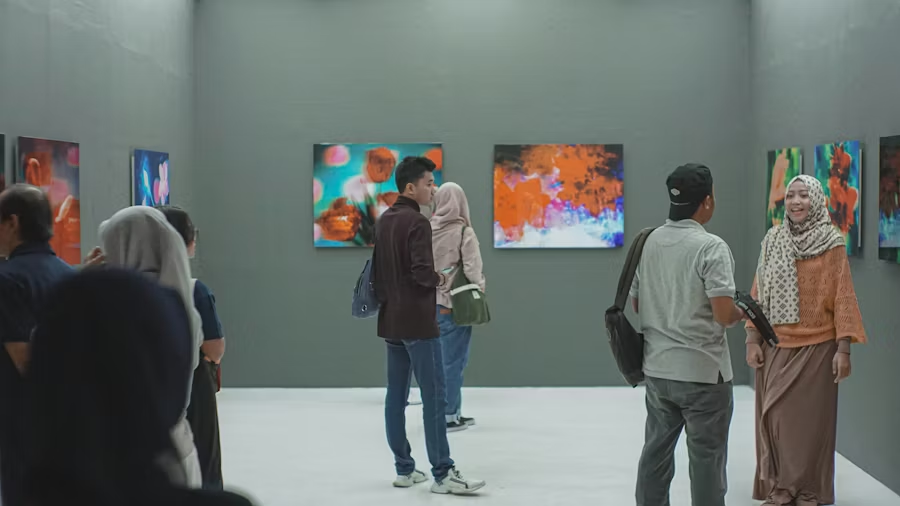
King’s College London recently published findings suggesting that in-person art experiences can reduce cortisol levels in audiences by at least 22%. Research from Art Fund also shows that attending museum exhibitions and galleries can help reduce depression, dementia and loneliness while improving cognitive function and longevity.
These findings highlight something many people already feel instinctively: Experiencing art in person has a powerful effect on our wellbeing.
At the same time, it has never been easier to engage with art digitally. Social media, streaming platforms and online content have transformed how audiences discover and interact with culture. As digital marketers, we recognise the value of these platforms. However, making the effort to experience art and culture in person often creates a deeper sense of connection and understanding.
In-person entertainment also appears to be regaining momentum after several challenging years. During the pandemic many of us relied heavily on entertainment at home. Today, AI can generate ‘art’ in seconds and algorithms increasingly shape how we encounter culture. In this context, the value of physical artistic experiences feels more important than ever. When people visit a gallery, watch a performance or attend a concert, they are not only engaging with the work itself but also supporting the artists and organisations behind it.
Having grown up surrounded by the arts, both as a participant and an audience member, I’ve seen first-hand the power of being immersed in a live artistic environment. Whether watching theatre, dance or music, there is a shared atmosphere and emotional energy that simply cannot be replicated through a screen.
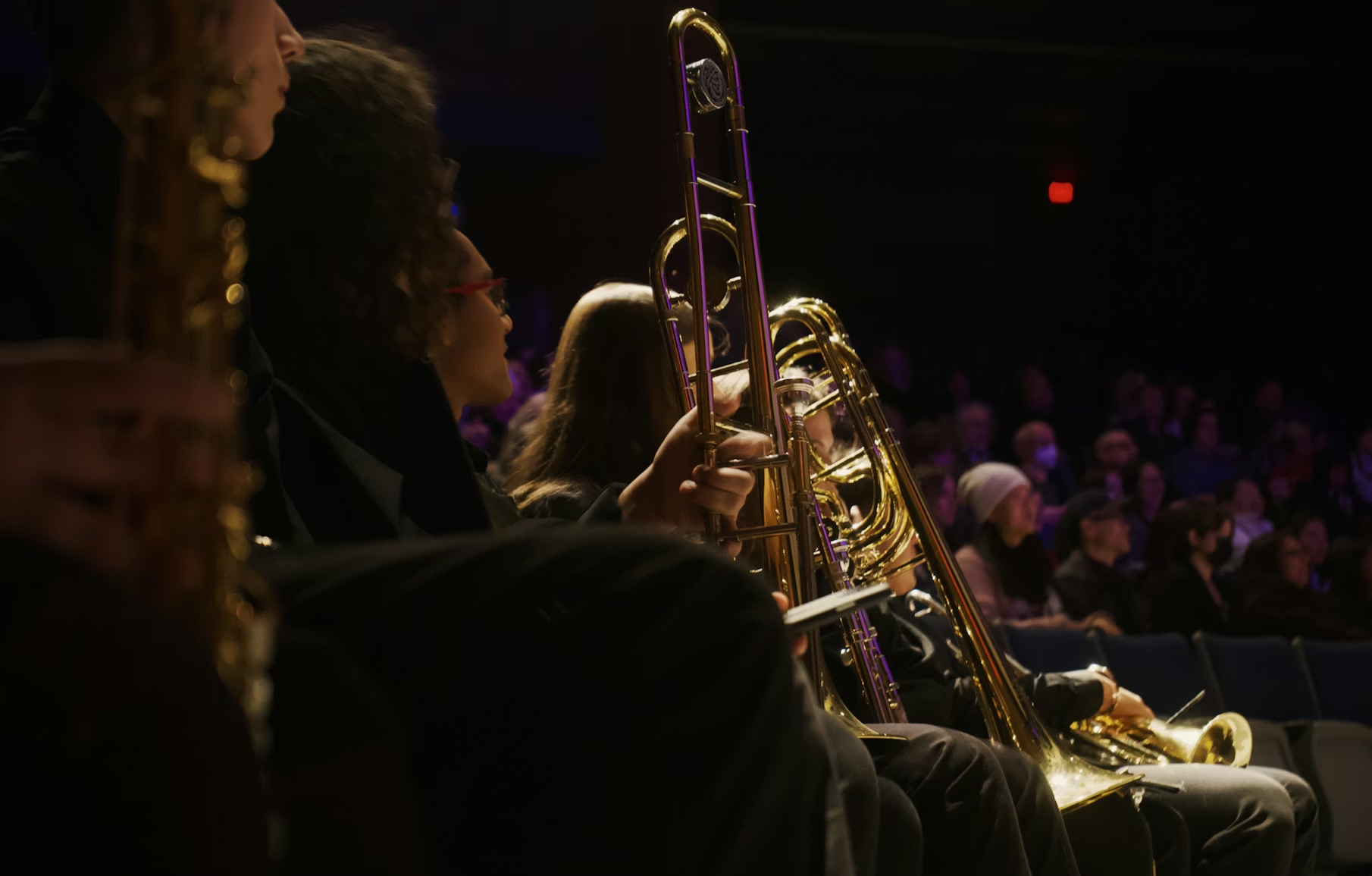
I remember watching a community band celebrate their tenth anniversary with a performance in a local theatre. Hearing the music resonate through the space and seeing the pride on the musicians’ faces created a sense of connection that would have been impossible to recreate online.
This is where digital marketing can play an important role. Digital platforms should not try to replicate the in-person experience. Instead, they can spark curiosity and encourage audiences to experience it for themselves.
One way to do this is by bringing audiences closer to the creative process. Teaser trailers for upcoming events, behind the scenes footage, artist interviews, interactive websites and creator partnerships can all help audiences understand how and why a piece of art has been created. By showcasing the atmosphere, storytelling and craft behind an event, digital content can motivate audiences to experience it in person.
Some organisations are already doing this brilliantly. Black Country Living Museum has used TikTok to translate the live experience of the museum into an online format, bringing its historical setting to life. Likewise, The Royal Opera House regularly shares behind the scenes content on their YouTube channel, or for a low fee on their website – offering audiences a preview of opera and ballet productions without replacing the live experience itself.
When used thoughtfully, digital platforms can complement live experiences by inspiring curiosity and widening access to the arts. By sharing stories and offering glimpses behind the scenes of each performance or exhibition, digital marketing can give audiences a reason to seek out these experiences for themselves.
As in-person culture continues to regain momentum, digital platforms have an important role to play in guiding audiences back towards theatres, galleries and performance spaces. The most powerful digital marketing does not replace these moments. Instead, it sparks the curiosity that leads people to experience them first-hand.